The History of rum begins with fermented sugarcane drinks, but recognizable distilled rum emerged in the 17th-century Caribbean. From there, molasses, colonial shipping, naval rations, New England distilleries, revolution, and changing drinking habits turned a regional spirit into a global category. Its chronology also carries a darker record of enslavement and plantation exploitation. Understanding that full path helps you separate documented development from pirate mythology and judge modern bottles by how producers make them.
The Origins Of Rum In Sugarcane Cultures
The short and concise history of rum dates back much further than the distillation of the modern commercial spirit. What is rum? Simply the distilled, fermented juice of the sugarcane plant. Fermentation is the process of turning sugar into alcohol via yeast. Distillation is the process of concentrating the alcoholic content and (hopefully) flavors in the fermentation. These are all basic concepts, but knowing them and how they relate to each other will make future discussions of rum more clear. In any sugarcane growing region, people learned to ferment the sugarcane juice and other sugary liquids. This established the base on which future producers could build.
Where the climate is warm enough, sugarcane plants thrive. Regions with equatorial climates have known, for centuries, how to make use of fermentation to produce alcoholic drinks from sugarcane. These primitive attempts at cane-based alcohol, however, weren’t quite the same thing as rum, the drink we know and recognize today as rum, that is. Before rum became what it is in the modern era, and before it became the commercial product that it is now, there were other sugarcane-based fermented beverages that preceded it. In this sense, one could argue that rum has always been around, but that it wasn’t always rum. It was something that eventually became rum.
While rum has ancient origins as a sugarcane beverage, rum as we know it today was born from the specific intersection of sugarcane plantation agriculture, molasses, and distilling technology in the Caribbean. There is no question that the rum that is popular today has its origins in the distillation of molasses produced in the Caribbean and elsewhere by workers that were forced into slavery. But before rum was rum, representing the modern convergence of sugar, alcohol, and culture, it was simply one of a number of fermented sugarcane beverages that provided the basis on which rum was built. So, while rum has ancient agricultural roots, its identity as a distinctly different type of beverage came much later.
How Sugarcane Reached The Caribbean
Global trade routes carried sugarcane westward into the Caribbean, where European colonies expanded sugarcane plantations across suitable islands. The West Indies offered heat, rainfall, and land that supported intensive cultivation, though the system depended heavily on enslaved labor.
The rum found in the West Indies is a product of large-scale sugar operations established by colonial growers in the region. The sugarcane crop, however, originated in older sugarcane growing cultures. The migration of the sugarcane crop can be used to determine the geography of rum’s origins. The rum found in the West Indies is a product of large-scale sugar operations established by colonial growers in the region. The sugarcane crop, however, originated in older sugarcane growing cultures. The migration of the sugarcane crop can be used to determine the geography of rum’s origins.
When Distilled Rum First Appeared
What was the original rum?
Although there are ancient fermented beverages made from sugarcane, this is not considered to be the origin of what we recognize today as rum.
How is rum made?
What are the types of rum?
When was the first rum produced?
In the 17th century, distillers in the Caribbean were fermenting and distilling materials used in the sugar industry, mainly molasses, to make a recognizable version of rum.
Where did rum originate?
While rum started as a beverage made from fermented sugarcane, modern versions of the spirit actually come from the Caribbean’s sugaring industry.
By making rum, distillers were turning a left-over product into something that they could sell. Molasses was the base of rum for a couple of different reasons. Molasses is a by-product of sugarcane. It’s also much less valuable than actual sugar. Molasses was an ideal substance for rum because: Molasses was readily available. Molasses could be fermented. Instead of wasting the syrup after sugaring sugarcane, distillers found a way to make a product out of it. Molasses played a critical role in the history of rum, and helped to shape the future of the beverage.
History Of Rum Through Its Major Turning Points
Rum was defined by its production in the Caribbean. It wasn’t until rum reached the mainland, and production started there, that the reach of the distillation industry was expanded. Island-made rum could be found among consumers of all backgrounds, in the hands of local drinkers, on ships, and in the homes of merchants. As colonies spread, so did the reach of rum. Through the molasses trade, an avenue to the mainland was created, and a second center of production was established by mainland distillers, relying on the products made on the islands.
Where, then, did rum begin? That’s a tricky question, because its story is complicated. And while there are some drinkers who will tell you there was a single starting place or event, the truth is that rum’s story doesn’t fit neatly into that type of narrative. The Caribbean, in the 17th century, is the place most drinkers will think of when thinking about rum. This is largely correct, as the Caribbean represents the starting point of rum, as we commonly think of it. Though there were fermentation traditions involving cane before the 17th century, and while North America has a rum history, it’s important to distinguish rum’s emergence in the Caribbean, and North America’s later distillation of rum, as separate events. Keeping those pieces in its proper timeline provides a clearer, more precise picture of what happened in rum’s history.
As casks of rum and containers of food and clothing were shipped on Atlantic vessels, rum was further disseminated. Rum drinking was popularized by its use as a naval staple. It became politicized by its association to the American Revolution. Ultimately, rum was able to emerge from the Caribbean and become a global commodity due to an array of factors. The most influential of these factors were Atlantic empires and their associated global networks of trade and resources circulation. The shipping networks that facilitated the dissemination of rum were the same shipping networks that allowed raw materials, workers, and production equipment to be transported.
New England’s Rum Industry
New England’s rum began its life as syrup, imported from the Caribbean, where molasses was shipped to the region in exchange for other goods. The molasses fed a dense cluster of local distilleries, where it was fermented and refined into a strong alcohol known as New England rum. New England rum was not just a local phenomenon. Widely distributed not just at home, but also in the Atlantic trade, rum represented a major portion of New England’s economy at one point. Rum exports at one time constituted an estimated 80% of New England’s total exports from the region.
The question where was rum invented still points south to the Caribbean. New England did something different: it converted imported molasses into a major colonial manufacturing and trading industry.
Rum, Trade, And The American Revolution
Taxes and restrictions on molasses affected distillers, merchants, and shipowners whose income depended on Atlantic commerce. Colonial rum consequently sat inside wider arguments over imperial control, representation, and trading rights before the American Revolution.
The story of rum also tells a story of the Caribbean, and of the politics between the Caribbean and the mainland. Not only rum, but also molasses, traveled on merchant marines between the islands and the mainland. This trade connected not only the business of rum on a global scale, but also the political tensions between colonial powers as the attempts to regulate the trade grew. As the trade of rum and molasses grew in popularity, it also grew in significance in trade regulations. Conflicts between colonial businesses and British regulation had many causes, but were exacerbated by attempts to regulate the rum and molasses trade. The trade of rum connected the Caribbean with the mainland. Attempts to regulate the travel of rum and molasses on the merchant marines caused a backlash and created conflict between colonial business and British rule.
Pirates, Sailors, And Triangular Trade
Rum and pirates is one of those tales that doesn’t quite bear scrutiny. The real history of rum can be found in trade and naval histories, and the rum ration that sailors were entitled to. It was rum’s connection to the Royal Navy, that gave rum its strong historical association with being drunk in diluted form. It is in the realm of fiction that rum became emblematic of the pirate. Certainly pirates, like others would have drunk rum, either taken as booty or purchased, but there is little evidence to suggest rum had any more meaning to them than that. Later media have hyped the rum drinking aspect of pirate life but the truth is probably much less universal than has been made out.
While rum is often thought of as being a drink of seafaring people, a discussion of the origins of rum must make a distinction between where it was popularized and where it was first created. Rum first began as a part of a three cornered trade network across the Atlantic that involved not only commodities but also colonial power and enslaved people.
Where Was Rum Invented, and How Was it Traded?
When asked where rum is originally from, it is common to picture a ship because rum has strong associations with maritime culture. Yet it is important to consider where it was first made and how it was originally traded rather than where it became popular.
How Rum Is Made
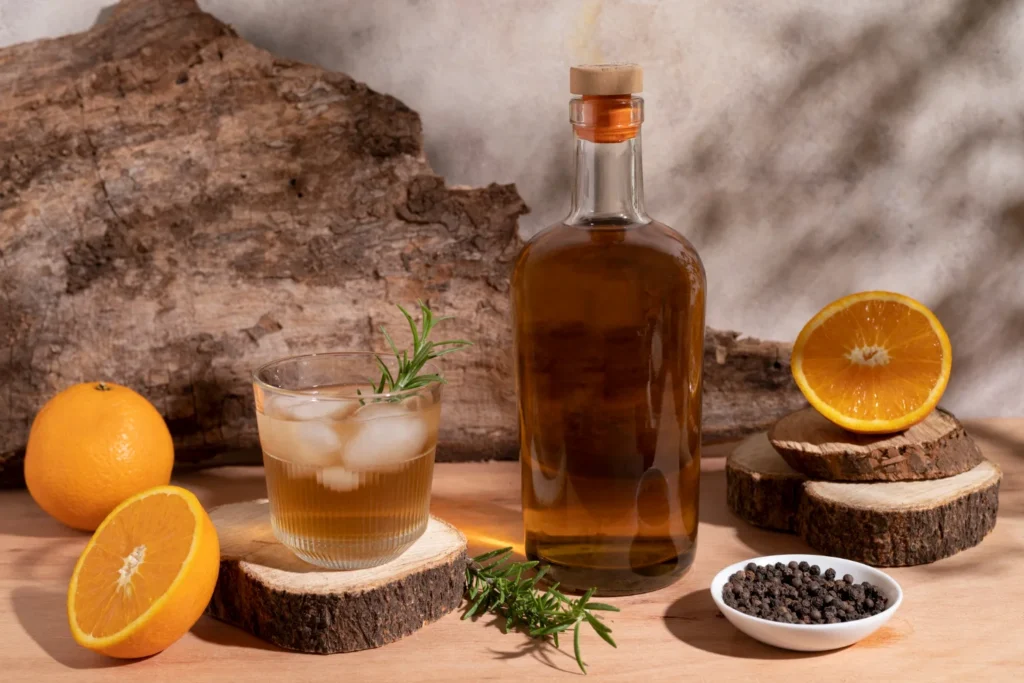
How Rum Is Made Rum is made from sugarcane, a tropical grassy plant that produces a sweet juice. Producers can use several different sugarcane-derived ingredients. For example, fresh sugarcane juice is fermented into a light, grassy, boozy expression of raw sugarcane. On the other hand, molasses, one of the by-products of industrial sugar refining, can be used, introducing new, concentrated flavors and sugar content. Whichever ingredient they use, producers need a sugarcane-based source of fermentable sugar, fresh sugarcane juice, sugarcane syrup, or molasses, the most commonly used ingredient.
This is how rum is made Rum is a distilled spirit that is produced in many different ways depending on the desired outcome. The production of rum begins with fermentation. In fermentation, yeast is added to the selected raw material. Through fermentation, the sugar is converted into alcohol resulting in an alcoholic wash. This wash is then distilled to separate out just the alcohol and some aromatic compounds that will give the spirit colour and flavour. The specific distillation method and equipment used to create rum is determined by its producer. These factors dictate the purity, weight and intensity of the rum spirit created. When the distilled spirit leaves the still it must then be finished in two ways. It can either be bottled immediately or aged in barrels. In the case that the spirit is aged it will most likely be mixed and then bottled.
Bottled rum may also be distinguished by colour. This is, however, of limited applicability, since colour alone cannot indicate the method by which a given rum was produced. It is not always possible to fit these production categories into the trade designations used during the era of rum’s heyday within the triangular trade (when molasses as well as spirits were carried). Today, whether a particular rum may be considered representative of a given geographical area or region depends on many factors, including: the ingredients used in its production, whether it was pot or column distilled, the distillation method itself, the ageing and blending processes and the region-specific rules governing its production, etc
Climate, Aging, And Regional Traditions
Barrel maturation changes rum through contact with wood, oxygen, and the surrounding climate. Warm Caribbean conditions can accelerate interaction between spirit and barrel, although time alone does not guarantee quality. Cask history and warehouse conditions also matter.
How Rum Is Made Producers may also blend rum from various barrels in an effort to create the most consistent product possible, or to create their own house flavor profile. However, when you’re buying rum, don’t just assume a darker rum is more aged, as it’s actually often the opposite. Likewise, don’t assume a higher price tag means the rum has been aged for long periods of time. Look for a specific statement on the label that guarantees the age of the rum. In recent years, some premium rums have begun to tout both the type of casks used and a specific age statement. Look for these as a positive.
Rum’s Decline And Second Rise
Rum lost ground as grain spirits, especially whiskey, expanded with North American agriculture and domestic distilling. Changing trade routes also weakened the commercial networks that had supported molasses-based production in the colonial period. Consumer preferences moved with those economic changes.
Prohibition stopped all legal production of alcohol in the US. Rum, like other popular alcoholic beverages, had its industry disrupted and the perception of the product changed while consumption continued illegally. Upon repeal, Rum again entered the market with help from exotic import labels, tourism, and its reputation as a tropical vacation drink and cocktail spirit. During Prohibition, the entire liquor industry, including rum, was shut down from a business perspective. Illegal drinking continued during the Prohibition Era. Rum’s brand was tarnished, and it was no longer available like other drinks had been before. After Prohibition was lifted, rum’s popularity increased, driven in part by foreign import labels and tourism associated with tropical get-aways.
The contemporary rum revival hasn’t been just about recreating colonial era styles. Instead producers have sparked renewed interest in the spirit by promoting aged rums, using cane juice rather than molasses in their rums, and adopting craft production techniques. And they’ve done so with transparency, telling drinkers the stories behind their rum production. And drinkers have happily obliged. It’s no longer acceptable to assume all bottles of rum are equal mixers. Instead they seek out rums made with different fermentation processes, in various styles of still, aged in different types of casks. And in so doing they’ve been exposed to how the spirit is made regionally.
Craft Distilling And Premium Rum
At the heart of it all, rum was becoming about place, production process, and quality. Smaller producers and specialist bottlers helped change the category’s perception. Instead of the rum industry being categorized by the island, or the sweetness of the drink, they changed the conversation to base ingredient and production style. Drinkers were beginning to make comparisons of region and style. While you can’t always judge the quality of the spirit based on the price, the premium options allowed rum to be discussed differently. What style of still, what base ingredient, should it be aged in bourbon barrels, and the conversation had become more craft-oriented.
The renaissance in cocktail culture has been extremely influential in rum’s rise in spirits consumption, and this has had an impact on the type of rums available as well. As the industry saw the rise in cocktail consumption by patrons, bartenders were asking for more options, not just one generic rum for every occasion. Distinct rum styles were needed. Heritage in rum production became a commodity. It will not be the rumors of pirates or drunken sailors that lend credibility to a rum’s claims but instead the actual facts provided on the label of the bottle will tell the story.
Rum’s Return To Cocktail Culture
Rum is nothing like what it used to be. Gone is the reputation of rum as a boozy one-note character in a handful of classic cocktails, and in its place is a spirit with a complex flavor profile. Whether you’re after the zesty bite of a light rum, the complex depth of an aged rum, or the earthy vegetal flavors found in rums made with cane juice, there is a rum out there that will fit your taste. And modern bars and classic cocktail recipes prove it. Rum was kept in rotation through the use of the spirit in classic cocktail recipes. At the same time, the modern cocktail programs have expanded the type of rum used behind the bar. Light rums add a zesty note in cocktails; aged rums shine in spirit forward cocktails; and rums made with cane juice lend a distinct vegetal note.
Rum’s Decline And Second Rise A trend in lower-proof drinks also opened doors for rum. With lower amounts of alcohol being served, bartenders were able to use less rum in a drink, and mix it with an array of other ingredients, such as soda, citrus, or fortified wine. Rum’s new-found serving flexibility helped the spirit make a comeback, and prevented it from remaining confined to overly-sweet, tropical cocktails. This broadened the context in which rum was drunk, so it was no longer a one occasion, one style type of beverage.
Choosing Rum By Style And Use
Remember that rum categories and their specifics on bottle labels are not set in stone either, so check back before making a purchase to make sure that nothing has changed. Choosing Rum By Style And Use Here are some of the primary features that should be taken into account when deciding which rum to purchase: The raw material the rum is made from and whether it is an aged spirit or not. What you plan on using the rum for. The specifications listed on the label when you make the purchase.
Choosing Rum By Style And Use Rum varies greatly in style and taste. Some types are light and refreshing, others are dark and rich. There are both aged and unaged rums. The best rum to you will depend on your personal preference and how you intend to enjoy it. The type of rum you choose for a cocktail should complement other ingredients and be appropriate for the drink. There are several different ways to classify types of rum. Some terms can apply to different styles. You can compare rums according to taste, age and other characteristics. Below, types of rum are described and distinguished by taste, maturation process and intended use.
| Rum style | Best for | Pros | Cons |
|---|---|---|---|
| Light or white rum | Daiquiris, Mojitos and highballs | Clean cane profile; citrus-friendly; often unaged or lightly aged then filtered | Subtle character can disappear beside strongly flavoured mixers |
| Gold or amber rum | Rum Punch, Cuba Libre and simple mixed drinks | More oak and caramel notes than white rum; versatile for mixing | Colour may come from maturation, caramel colouring or both; check label details |
| Aged or dark rum | Neat pours, Old Fashioneds and spirit-forward cocktails | Pronounced oak, spice and dried-fruit notes; greater sipping complexity | Higher bottle cost; bold oak can overpower crisp drinks |
| Cane-juice rum (rhum agricole style) | Ti’ Punch and savoury or herbaceous cocktails | Fresh, grassy and vegetal cane character; distinctive sense of raw material | Assertive profile may challenge drinkers expecting molasses-led sweetness |
| Demerara-style rum | Tiki drinks, punches and rich stirred cocktails | Deep molasses, burnt-sugar and spice notes; adds weight in small measures | Can dominate delicate citrus, soda or floral ingredients |
| Overproof rum | Floats, split-base cocktails and high-impact punches | Concentrated flavour; a 15–30 ml measure can strengthen aroma and structure | Often 50% ABV or higher; requires careful measuring and responsible service |
| Spiced rum | Cola, ginger beer and easy highballs | Ready-made vanilla, cinnamon or citrus flavour; accessible for simple serves | Added flavouring and sweetening can mask base-spirit character |
Best Rum By Style: When To Use It – Drinking, Mixing, Cocktails The chart below compares seven different types or styles of rum by their best use for drinking, mixing or cocktails, with general pros and cons. Choosing Rum By Style And Use Here is a general breakdown of common styles of rum and when to use each type. Each of these rums has strengths and weaknesses, so it helps to know what you are looking for when selecting the right style of rum.
Pairings Beyond Cocktails
When pairing rum, it is important to match the intensity with the food or the other beverage you are planning to accompany it with. This way, its specific characteristics, including its sweetness, oak notes, and sugar cane profile will compliment them beautifully.
- The rum’s flavors will balance well with the food’s flavors.
- The rum’s flavors and the other beverage’s flavors will balance well
Rum is available in a large spectrum of flavors and textures.
- Dark rum: The complex flavors and strong bite of dark rum pairs well with the flavors of a dessert. Choose one that is a bit heavier, such as winter desserts containing dried fruits or warming spices or caramel-heavy pastries. Don’t serve too much rum, however, so it won’t overpower the dessert nor will it get lost among the flavors.
- Cane-juice rum: This type of rum has a vegetal character and a dry finish. Balance its herbal flavors with salty cheeses or charred seafood.
- Light rum: Bright and delicate, light rum pairs well with light bites or as a drink on its own.
- Aged rum: Rich, oaky flavors match well with the roasted tones of black, unsweetened coffee. Choose an aged rum to complement the roasted notes of your coffee and match barrel notes with coffee notes. Don’t add sugar or other sweeteners.
- Premium rum: Save the expensive, more complex rums to sip alone and enjoy slowly.
- Cocktails: Use less expensive or more punchy rums for making cocktails where the rum’s flavor will be masked by citrus, ice, and mixers.
What Rum’s Journey Reveals
Tracing molasses as it traveled by ship across the Atlantic provides a window into the broader context within which rum was produced and consumed. Sugarcane, a crop from which rum was fermented, was the backbone of rum’s production, and the Caribbean plantations created an industry based around making rum.
The transformation of sugarcane through agriculture, empire, and trade demonstrates the extent to which the meaning and use of a single crop can change. Merchants transported rum (and other products made from molasses and sugar) across the Atlantic world. This system of production and trade profited mightily from the exploitation of enslaved people, and colonial wealth was built on the backs of the enslaved.
There are a number of interesting aspects of rum that makes it a unique category and, thankfully, one that retains knowledge of its more practical history. From fermentation to distillation to ageing in barrels, rum-making processes have a great variety of choices and methods. Many of these are determined by region or tradition, as there is no definite way of making rum, as such. The process developed over time in each region. It’s these choices in production which give rise to the interesting flavours in rum. So, it may well be that two bottles of rum that seem identical, whether that’s in clarity or age, can taste completely different when poured.
What was fermented to make the rum? How was it distilled? Where was it aged? Where was it produced and what local rules dictated the way it was labeled? These are the important questions to ask of a bottle of rum if you are trying to understand how its producer goes about their business and what you might expect from the bottle. The Caribbean spirit has been bottled, shipped, and drunk in locations around the world, and today, rum is made and enjoyed all across the globe. It still has its identity rooted in the Caribbean, however.
Key takeaways
Rum’s origins and traditions are rooted in the sugar cane. Learn the story behind Rum’s origins and traditions. Rum became the Caribbean spirit. Learn the story behind Rum in the Caribbean. Molasses trade routes made New England a major rum producer. Learn the story behind molasses, rum, and New England in colonial America. Rum was central to Atlantic history. Learn the story behind Rum’s key role in colonial trade, naval history, and the politics of revolution. The cocktail and the craft distillery movement helped raise Rum’s spirits after Prohibition. Learn the story behind Rum’s decline and resurgence, including the importance of the cocktail. Dark, Light, or Dry? Age, Method, and Place Matter More. Learn the differences between light and dark rum, and which rum is best for cooking, cocktails, or sipping.
Frequently asked questions
What are the 7 types of rum?
Rums can be classified into several different groups; in general, there are seven major categories of rum: light or white rum, gold rum, dark rum, aged rum, spiced rum, overproof rum and agricole or other cane-juice rum. There is no universal rum classification system that everyone must follow, however, and while these categories can generally help to explain the differences between rums, many rums can fall into different categories (for example, an aged rum may be an overproof or a dark rum). It is always best to pay attention to the ingredients and maturation processes used in a particular rum as opposed to just classifying based on color.
Why is Captain Morgan not rum?
Q. Are all of them rum? A. It’s best to take a look at your particular bottle. Q. Captain Morgan Rum: what is it? A. Captain Morgan makes rum based products. Whether or not a bottle would be considered rum depends on strength and flavoring, its recipe and legal definitions of rum in your area. These can change over time. Q. What are the other types of alcohol? A. It’s best to check your specific bottle. Whether or not a particular bottle would be considered rum or another type of alcohol depends on the recipe and legal definitions of these terms in your area, and this can change over time.
Is rum the healthiest alcohol?
What color of rum is the healthiest alcoholic drink? There is no healthiest alcoholic drink for you to drink, rum included. There are factors that affect whether alcohol has a negative impact on health or not, including: how much you drink, how often you drink, your medical history, ingredients mixed with alcohol, and how it may interact with any medications you may be taking. The type of alcoholic drink is much less of a consideration than these other factors. It is important to discuss with a healthcare professional about what is best for your situation. Is clear rum any better for you than dark rum? No. Clear rum is not healthier than dark rum.
Why did sailors put rum in water?
It has been commonly stated in modern times that rum was added to water in order to purify it and render it safe for consumption when it began to go off. This is not true: rum was not, in fact, a reliable means of purifying foul water. Rum was in fact mixed with water when it was issued as a ration for sailors, to reduce its intoxicating effect. This may have been an old naval practice, but it is with the Royal Navy that it became particularly associated. The dilution of rum would also have made it easier to control alcohol rations compared with letting sailors drink straight spirits.
How did molasses become the main raw material for rum?
Why did rum use molasses in the first place? During sugar production a syrup remains after the sugar crystals are removed. This syrup is called molasses. Although the molasses had no use for the sugar trade, it did have some value to the distillers who made alcoholic beverages. Molasses can be easily turned into a strong alcohol with the correct distillation process. This is why rum started with a very distinct character because molasses had been its basis from the start. Why did rum use molasses in the first place? Molasses, a by-product of the sugar process became the basis for rum production. As the Caribbean sugar production and the Atlantic trade grew, so did molasses availability.
What Rum’s Story Leaves Behind
The History of rum begins with sugarcane but extends through Caribbean plantations, New England distilleries, Atlantic commerce, naval life, the American Revolution, Prohibition, and reinvention. Its past includes enslavement and colonial exploitation, which pirate imagery can easily obscure. It also reflects generations of practical knowledge about fermentation, distillation, maturation, and blending.
It’s essential that you check what is actually on the label, for categories, formulations and labels are always changing. Rum has a long and complex legacy, that is reflected directly in what’s in a modern bottle. In general, it’s often more indicative of a rum’s character to know what it’s made of and how it was made, than what its marketing says or what colour it is. There are traditions in each region that influence the profile of a given rum; certain ingredients, methods or approaches that you might not expect to find in other regions. The origin of ingredients and the techniques used to produce rum can often be as important as the final product in understanding and choosing a rum. Always ask yourself if you can trust an age statement or a price, if you think a rum should be expensive is it because of quality?